Soakaway Repairs Northamptonshire
Investigate standing water and poor surface drainage, then agree a practical soakaway or channel repair scope.
Signs you need this service
- Water remains in a low area of the garden long after rainfall has stopped.
- A driveway channel or gully is full of silt, leaves or standing water.
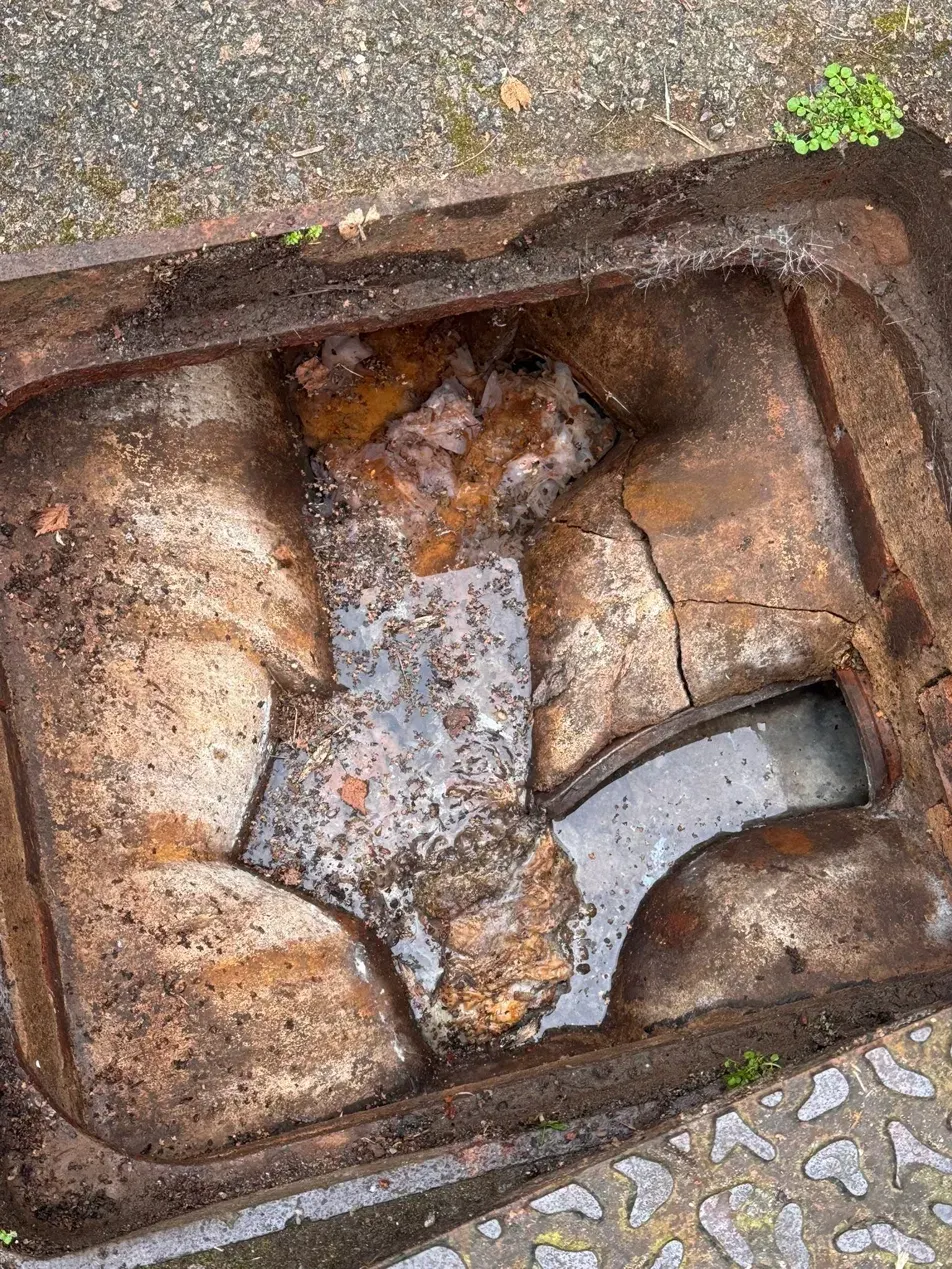
- Rainwater overflows near a downpipe, inspection cover or surface-water inlet.
- A soakaway or channel has stopped draining as it used to.
What we do
A slow-draining soakaway can leave a garden or driveway waterlogged, but the visible puddle may not show the cause. The problem could be a blocked inlet, silted channel, damaged pipe, saturated ground or a soakaway that no longer accepts water effectively. RCH Drainage asks where water collects, how long it remains and what happens during heavy rain. An inspection of accessible drainage can help identify a practical next step without assuming every wet patch needs a new soakaway.
Work may include checking accessible gullies and channels, clearing a blockage, inspecting connecting pipes or discussing whether further investigation is needed. The available method depends on the system, access and site conditions. Some soakaway performance questions need a ground infiltration assessment or input from a drainage designer; these are not automatically part of a cleaning visit. We explain what can be confirmed at the property and where another specialist or design check may be required.
If repair or replacement is proposed, the quote should describe the affected section and identify any excavation, aggregate, crate installation, connection work or surface reinstatement included. These details vary from property to property. RCH Drainage will discuss the findings and agree the scope before additional work proceeds. If you have site plans, photographs from previous flooding or records of a recent installation, sharing them can help the engineer understand the layout.
Soakaway Clearance, Repairs & Replacement in Northamptonshire
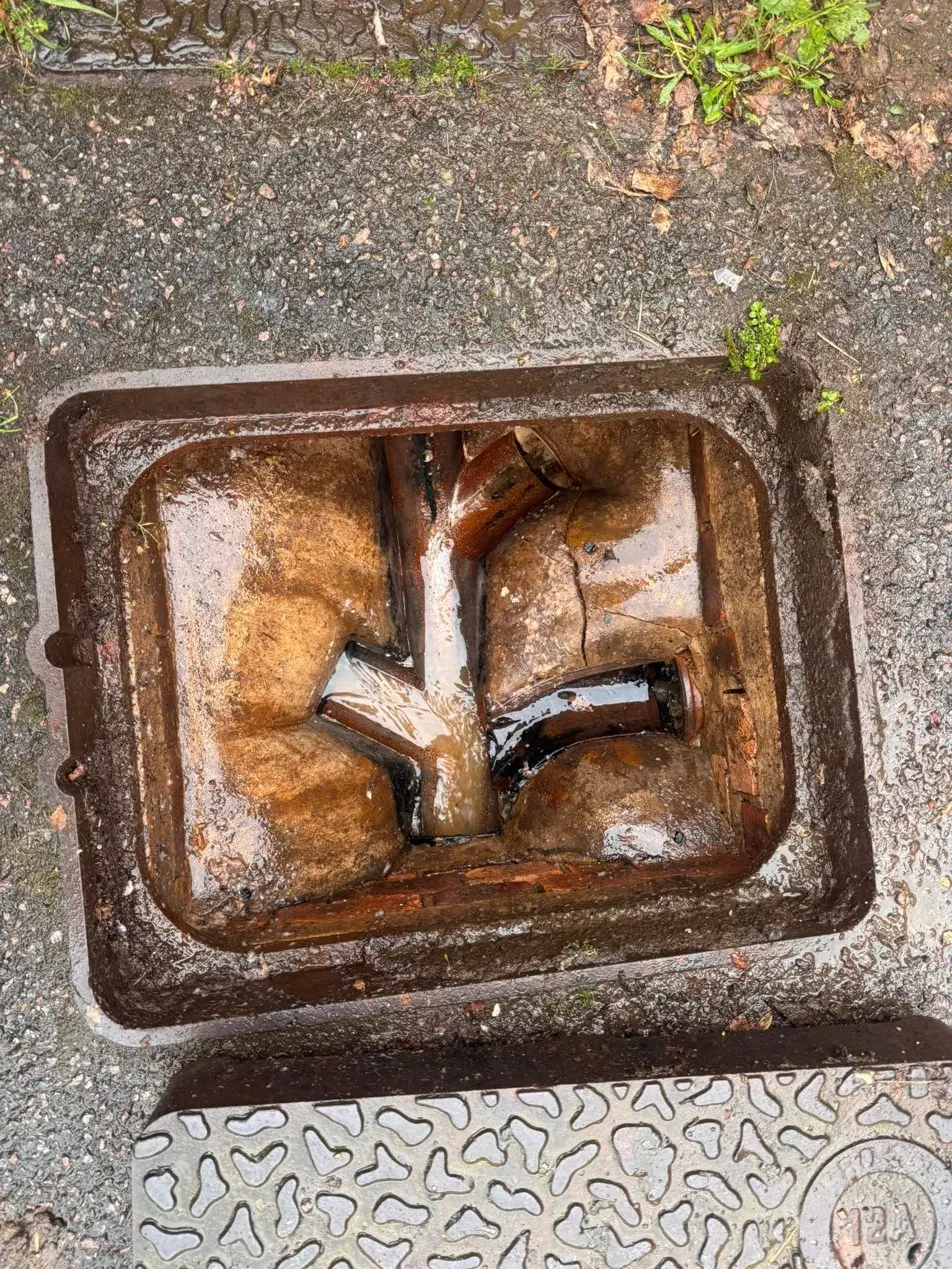
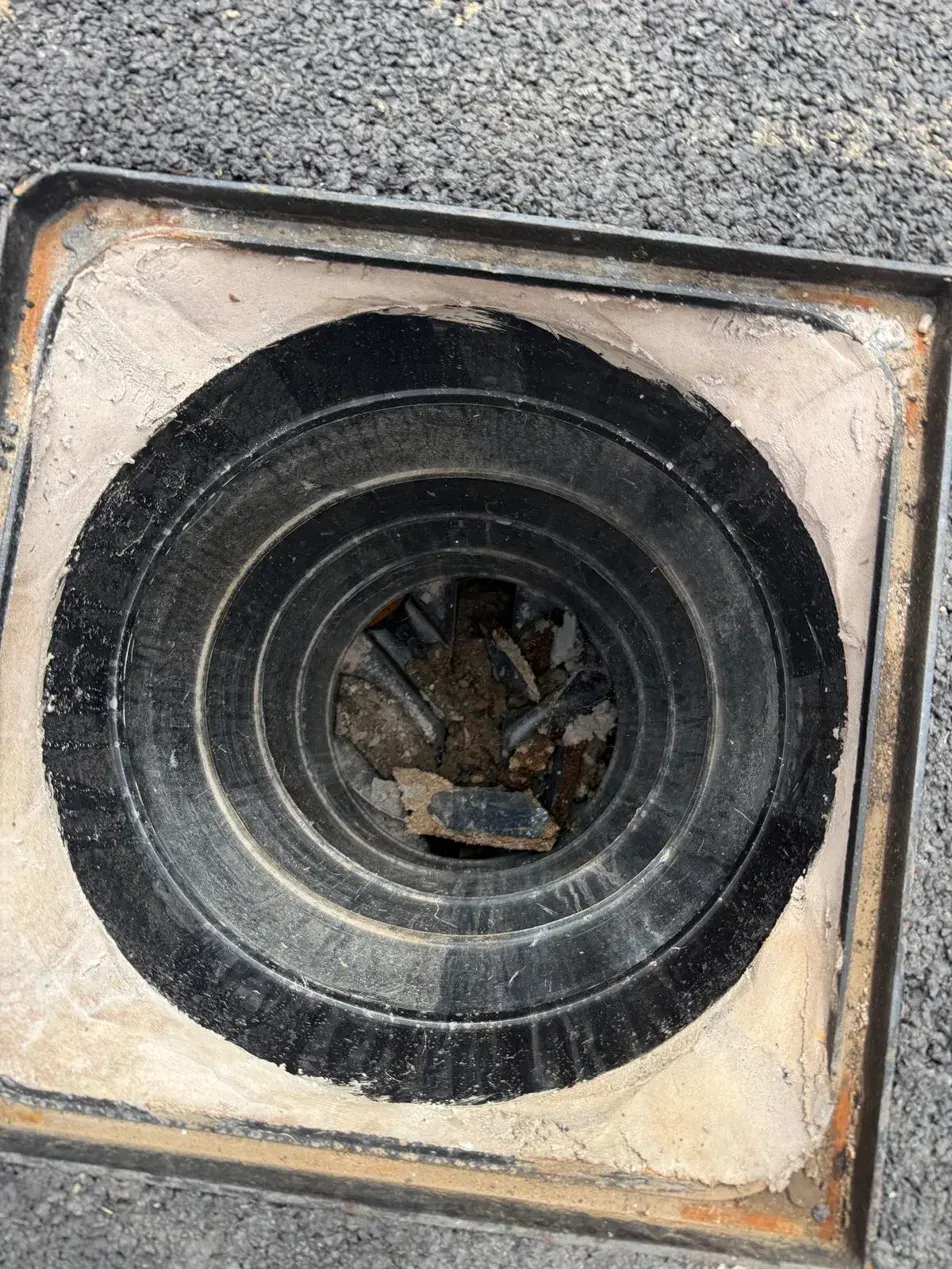
A soakaway receives rainwater and allows it to disperse into suitable ground. It may connect to roof downpipes, yard gullies or a channel drain, depending on the property design. Leaves, silt, soil, roof debris or a restriction in the connecting pipe can reduce the water reaching the soakaway. A quick check of an accessible inlet or channel may identify a simple blockage. If the inlet is clear but water still gathers, the issue could be further along the system or related to the soil.
The first step is to trace what can be inspected safely. The engineer may look at accessible covers, gullies and pipe connections, clear a suitable obstruction and observe how water moves through the system. CCTV can help inspect a connected drain where the pipe is accessible and the camera can pass through it. A camera view does not measure how quickly the surrounding ground absorbs water, so a separate infiltration test or design review may be appropriate before a new soakaway is specified.
A repair might involve clearing the inlet, repairing a damaged connecting pipe, restoring a channel or planning replacement of a failed soakaway. The right answer depends on the evidence and the site. If excavation is needed, the depth, buried utilities, garden layout, paving and access for materials affect the work. Any permits, design, specialist ground testing, excavation, disposal or reinstatement should be stated in the quotation rather than assumed to be included in a general drainage visit.
Where a soakaway is newly installed or serves a larger development, check the approved design and installation records before changing it. Dimensions, location and discharge arrangements may be subject to planning or building requirements. A drainage contractor can explain what is visible and discuss work within its scope, but should not substitute an informal repair for a required design or approval. Keep the site plan, product details and maintenance history available when requesting an assessment.
Fixing Waterlogged Gardens, Driveways & ACO Channels
Waterlogged ground can result from several issues: rainfall exceeding the ground’s ability to drain, compacted soil, a blocked gully, a damaged pipe or runoff flowing towards a low point. Note where water first appears and whether the problem follows a particular downpipe, channel or section of paving. If flooding is close to a building, protect indoor areas and move belongings away from water. Do not lift heavy covers or enter a chamber without the proper equipment and training.
ACO-style linear channels and other driveway drains collect surface water through a grated inlet. Their performance can fall if the channel fills with leaves, grit or sediment, or if the outlet pipe is blocked. Cleaning the visible channel may help when debris is the cause. If the channel is cracked, poorly aligned or connected to a restricted pipe, the remedy may be different. The inspection should separate the condition of the surface inlet from the condition of the underground drainage.
On a paved area, water can run towards a doorway or neighbouring plot if the fall is wrong or an outlet cannot keep up. A drainage visit can identify accessible obstructions and visible defects, but changing levels or redesigning surface-water routes may need a builder or drainage designer. Before approving a repair, ask what area will be lifted, what materials will be used and whether the quote includes reinstating blocks, slabs, edging or planting. Obtain agreement for any variation before work expands.
A wet garden does not always mean the soakaway is broken. Clay soil, a high water table, compacted ground, unusually heavy rain or a change to the surrounding landscaping can all affect drainage. Keep a simple record of rainfall, how long water remains and any drains that overflow. This context helps distinguish a one-off weather event from persistent poor drainage. Where ground conditions are central to the diagnosis, a suitable infiltration test may be needed before a permanent design is selected.
Crate vs. Rubble Soakaway Upgrades
Modern soakaway crates create a void that can store water temporarily before it infiltrates into suitable ground. A rubble-filled pit may also provide void space, but the usable capacity depends on the stone and installation. Neither option works well if the location is unsuitable, the ground cannot accept water at the required rate or the inlet is not protected from sediment. The choice should follow site conditions, design requirements and available space rather than a universal claim that one material is always best.
A geotextile wrap is often used with crate systems to help keep surrounding soil out of the storage void, while silt control at the inlet can reduce debris entering the system. The exact design depends on the manufacturer’s instructions and the drainage plan. If a crate system is clogged with fine material or the surrounding ground is saturated, simply flushing a pipe may not restore the soakaway’s capacity. Inspection should identify whether the problem lies in the inlet, connecting line or receiving ground.
Replacing a failed soakaway involves more than selecting crates or rubble. The position must be appropriate, the required size depends on the design and ground assessment, and nearby buildings, boundaries, trees, utilities and other drainage systems can affect where work is possible. A new installation may need approvals or professional calculations. Ask who is responsible for design, any infiltration testing and checking applicable requirements, and make sure those items appear in writing before excavation is booked.
When comparing repair quotes, look for the system type, location, dimensions, connection details, excavation depth, spoil disposal and surface reinstatement. Also ask how the work will be checked and what records will be provided. A low price that excludes design or reinstatement may not cover the same scope as another estimate. RCH Drainage can discuss visible drainage issues and quote agreed work, while any specialist ground testing or design requirement should be confirmed with the appropriate professional.
Planning Soakaway Repairs in Northamptonshire
RCH Drainage takes enquiries across Northamptonshire, including Northampton, Kettering and Wellingborough. When you call, describe where the water collects, how long it stays, which downpipes or channels feed the system and whether there is a safe access cover. Photos taken during or after rainfall, a site plan and any installation paperwork can help explain the layout. We will confirm whether the enquiry sounds like a drainage inspection, clearance or a repair assessment and check availability for your postcode.
A visit has a fixed first-hour call-out fee with no hidden costs. The first hour covers diagnosis and suitable clearance where the work can be completed safely; further work is quoted before it starts. RCH Drainage also offers a free initial water-authority responsibility check. Depending on the postcode, the relevant company may be Anglian Water, Severn Trent Water or Thames Water, and that company confirms formal ownership. For 24/7 drainage emergencies, call 01604 389 247 to check availability.
After an assessment, keep the written findings, photographs and quote with the property records. If the drainage serves more than one property, or water may discharge into a shared or public system, establish responsibility before authorising private work. Records of the system’s design and previous repairs can also help future owners understand what is underground. If a recommended solution includes items outside the agreed visit, ask for a separate written scope so you can make an informed decision.
Every visit has a fixed first-hour call-out fee with no hidden costs. Ask about a free initial check of whether the water company may be responsible. Depending on your postcode, that may involve Anglian Water, Severn Trent Water or Thames Water; the relevant company confirms formal ownership. For 24/7 drainage assistance, call 01604 389 247. Compare related work on our services page, or contact RCH Drainage with your postcode and any survey details. For local drainage information, see our pages for Northampton, Kettering, and Wellingborough. For more background, read Soakaway problems: why they fail and how to fix them.
Drainage work in Northamptonshire
Is it actually your problem? We check before you pay.
Ask us for a free initial check of whether the water company may be responsible. Depending on your postcode, that may involve Anglian Water, Severn Trent Water or Thames Water. The relevant company confirms formal ownership. If the issue appears to be its responsibility, we explain what we found before you authorise private repair work.
How the water authority check worksWhy RCH Drainage
24/7 response
Engineers on standby every day of the year.
Local engineers
Northamptonshire-based teams, not a national call centre.
Transparent pricing
Fixed call-out fee covering the first hour on site - no hidden costs, further work always quoted first.
Soakaway & Surface Water FAQs
- Can a blocked soakaway be cleared?
- An inlet or connecting pipe may be cleared if debris is the cause and access is suitable. If the surrounding ground no longer accepts water, cleaning alone may not solve the problem.
- Does a waterlogged garden mean I need a new soakaway?
- Not necessarily. Surface falls, soil, weather, gullies and connecting pipes can also cause standing water. An assessment helps identify what can be confirmed and whether specialist ground testing is needed.
- Are crate soakaways better than rubble?
- The right system depends on the site design, ground conditions, required capacity and installation details. Neither option is suitable for every property.
- Does a soakaway repair quote include digging and reinstatement?
- That depends on the agreed scope. Ask for excavation, materials, spoil disposal, design or testing and surface reinstatement to be listed clearly in the quotation.
Need soakaway repairs now?
Speak to a local engineer or request a callback - we'll get back to you fast.