Tree Root Removal Northamptonshire
Find where roots are affecting a drain, clear the restriction where suitable and discuss a repair that addresses the entry point.
Signs you need this service
- The same outside drain blocks again after it has been cleared.
- A CCTV report shows roots entering through a joint or crack.
- Toilets, sinks or gullies drain slowly or make gurgling sounds.
- You notice damp, smells or wastewater backing up around an inspection chamber.
What we do
Tree roots can enter a drain through a gap at a joint, a crack or another opening. Once inside, fine roots may catch paper and debris, gradually narrowing the waterway. A recurring blockage can be the first sign, but it does not prove that roots are the cause. RCH Drainage starts by asking about the symptoms and, where appropriate, using CCTV to inspect accessible pipework. The footage helps identify what is visible and where further work may be needed.
If roots are found, the suitable response depends on their size, the pipe material, the access point and the condition of the drain. Mechanical cutting or high-pressure jetting may be considered where the pipe is suitable and the equipment can be used safely. Clearing roots can restore flow, but it does not close the opening that allowed them in. We explain the difference between clearing the restriction and repairing the defect before you decide what to do next.
A localised patch liner or another repair may be considered where inspection shows a repairable entry point and the rest of the pipe is suitable. A badly collapsed, misshapen or inaccessible drain may need a different plan. We will describe the evidence, explain the options and quote for any additional work before proceeding. No repair can guarantee that roots will never return elsewhere in the drainage system, so follow-up inspection may be sensible if symptoms recur.
Specialist Tree Root Cutting & Drain Clearance
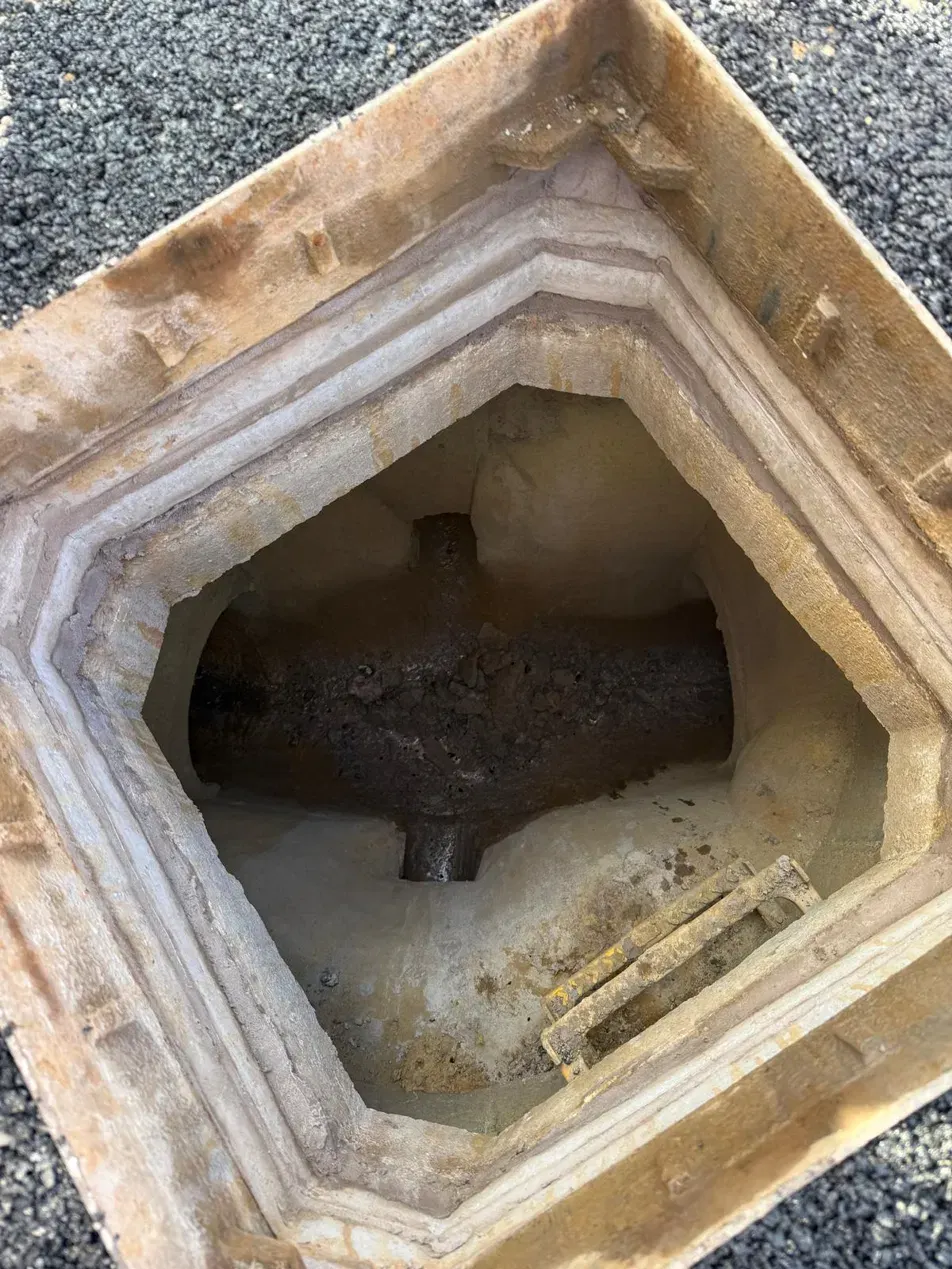
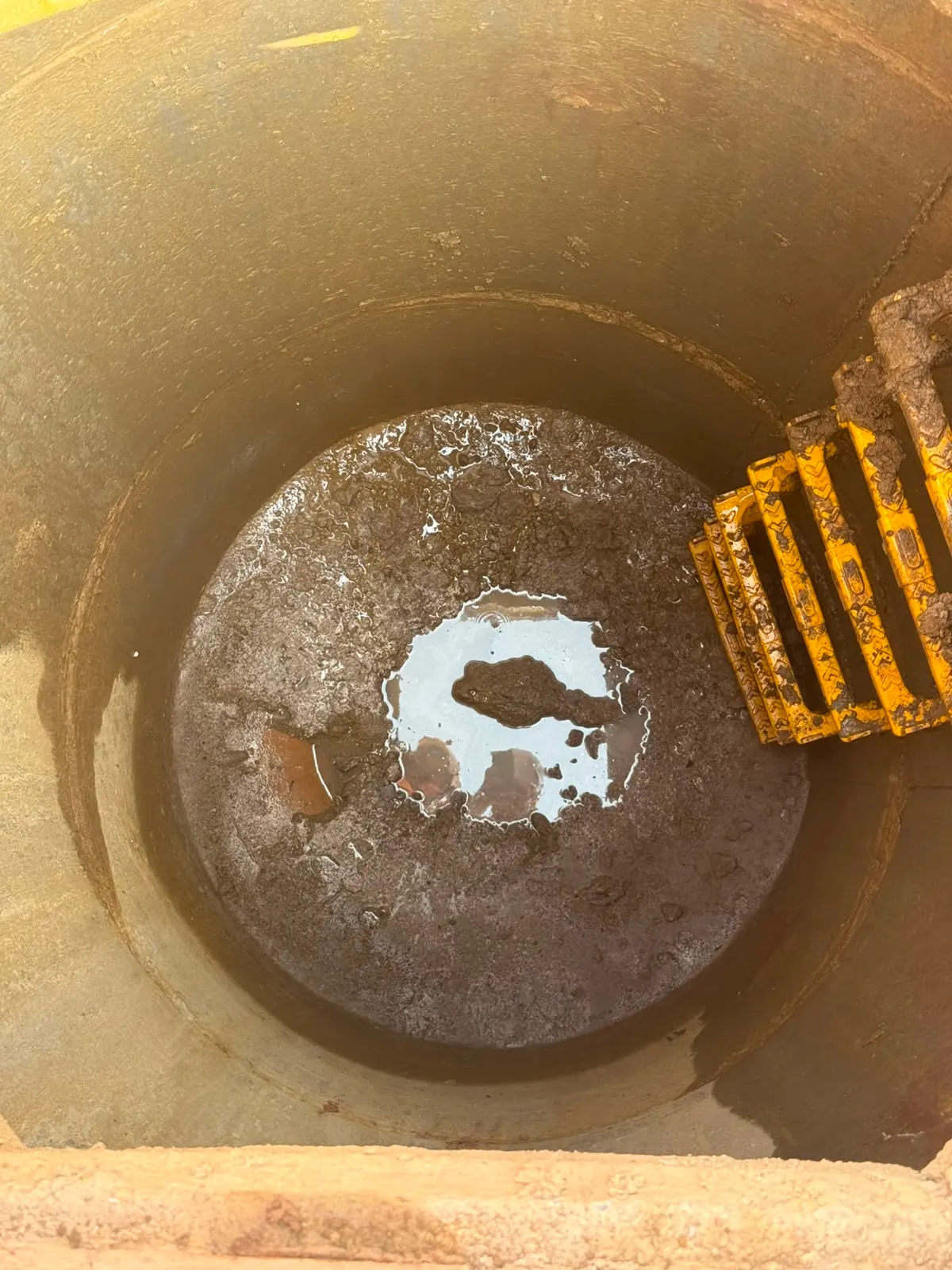
A proper root-clearance visit begins with access and an assessment of the affected drain. The engineer needs to know which fittings are backing up, whether several outlets are involved and whether a chamber is available. CCTV can help locate the restriction and show the visible condition of the pipe. If the line is full of water or debris, the camera may not see beyond the obstruction until some clearance has taken place. The report should make those limits clear.
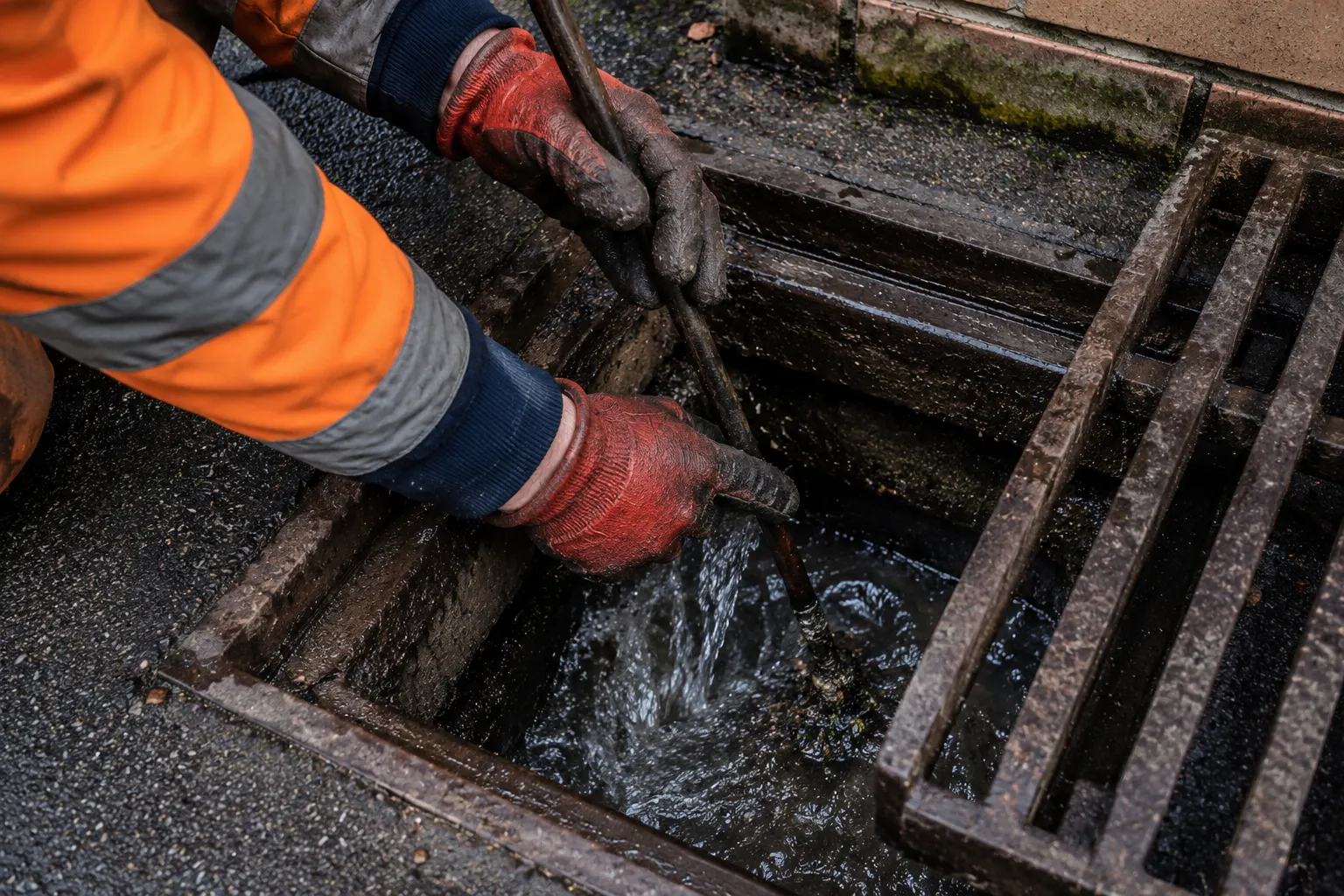
Where the pipe and access allow, a mechanical cutting head can be used to break up roots inside the drain. Jetting may then carry loose material away and clean deposits from suitable pipework. The method depends on the pipe’s material, diameter, bends and condition. Excessive force or an unsuitable tool can damage a weak or already fractured pipe, so the choice should follow inspection rather than assumption. If equipment cannot reach the roots safely, a different repair plan may be needed.
Clearance aims to remove the material restricting flow; it is not the same as replacing a damaged pipe. The work should be followed by a camera check where access and conditions allow, so the engineer can see whether the route is open and whether the root entry point remains visible. The footage can also reveal other defects, but it only covers the sections the camera reaches. Ask for a clear explanation of what was inspected and what was outside the survey.
If the blockage is urgent, stop flushing or running water into affected fixtures where possible and keep people away from foul water. Do not put chemical drain cleaners into a line that may need professional inspection, and never enter a chamber. Call RCH Drainage to describe the location, symptoms and any CCTV report. The engineer can advise what information will help plan a visit and confirm availability for the postcode.
Signs Tree Roots Have Invaded Clay or Pitch-Fibre Pipes
Older clay pipes often have multiple joints, and a joint that has opened can provide a route for fine roots to grow towards moisture. Some older pitch-fibre pipework can also deform or become vulnerable with age. These materials are not automatically defective, and a slow drain alone cannot identify what a pipe is made from. A CCTV survey may show roots, displaced joints, deformation or other visible concerns. The engineer should explain what the camera actually shows rather than diagnose from symptoms alone.
Common warning signs include a blockage that returns in the same place, several fixtures draining slowly, gurgling after flushing and foul smells near an external chamber. A patch of unusually wet ground or a sunken area can have many causes, including leaking water services or poor surface drainage. Treat these as reasons to investigate, not proof of root damage. If wastewater is backing up into the property, contact a drainage professional promptly and limit use of affected appliances.
A CCTV recording can help distinguish root ingress from grease, wipes, silt or a structural collapse. It may also show whether roots are visible at one joint or along a longer section. Camera findings have limits where a pipe is underwater, blocked or inaccessible. If there is no safe access point, the engineer may need to discuss another inspection route. Keep any previous footage because comparing surveys can help show how the same location has changed over time.
Tree roots usually follow moisture, but removing a nearby tree does not automatically repair a drain and can create other issues. Do not cut roots or excavate near a tree, boundary or public footpath without the appropriate advice and permissions. The practical drainage question is whether the pipe has an opening and what repair is suitable. We can discuss the visible defect and quote only for work within the agreed scope, with any additional work explained before it begins.
Stopping Regrowth With No-Dig CIPP Patch Lining
Once roots have been cleared, a localised CIPP patch may be considered if the inspection shows a repairable crack or joint and the host pipe remains suitable. A resin-impregnated sleeve is positioned over the defect from an access point and cured to form a reinforced internal section. This can seal a suitable opening without replacing the full pipe run. The required cleaning, access, patch length and curing method depend on the pipe and the system used.
A patch is not suitable for every condition. Severe deformation, collapse, multiple defects, difficult bends or poor access can prevent a reliable internal repair. A camera should be used to confirm that the defect can be reached and the pipe can be prepared. If roots are present over a long length, a longer liner or another repair may be discussed. We will explain why a method is being proposed and what parts of the drain remain outside its scope.
A liner can close the specific opening that allowed roots into a repaired section, but it cannot stop tree growth throughout the whole garden or guarantee no future root ingress at other joints. A post-repair camera check, where available, records the repaired area and any visible limitations. Retain the footage and job notes with the property’s drainage records. If symptoms return, provide the previous records so the next inspection can compare the location rather than start without that history.
Before approving a repair, ask what the quote includes: root clearance, CCTV checks, the patch itself, access preparation and any waste handling. Confirm whether reinstating a surface or dealing with another defect is included, as that depends on the job. If responsibility for a shared or public drain is unclear, pause and ask the relevant water company to confirm it. A survey can document the condition, but it does not decide legal ownership.
Planning Tree Root Removal in Northamptonshire
RCH Drainage takes enquiries across Northamptonshire, including Northampton, Kettering and Wellingborough. When you call, tell us the property postcode, which fixtures are affected, how often the blockage returns and whether a chamber can be opened safely. If you have a CCTV report or previous repair details, share them before the visit. This helps us understand what has already been seen and whether a new inspection, clearance or repair discussion is the likely first step.
A visit has a fixed first-hour call-out fee with no hidden costs. The first hour covers diagnosis and suitable clearance where the work can be completed safely; additional work is quoted before it starts. RCH Drainage also offers a free initial water-authority responsibility check. Depending on the postcode, the relevant company may be Anglian Water, Severn Trent Water or Thames Water. The company confirms formal ownership. For 24/7 drainage emergencies, call 01604 389 247 to check availability.
After the visit, keep any footage, photographs, written findings and quote together. If the drain is part of a shared system or the work is connected with a house purchase, those records can help you explain the issue to a water company, seller, landlord or other contractor. They are evidence of what was visible on the inspection date, not a guarantee about uninspected pipework. Ask questions about anything unclear before approving further work.
Every visit has a fixed first-hour call-out fee with no hidden costs. Ask about a free initial check of whether the water company may be responsible. Depending on your postcode, that may involve Anglian Water, Severn Trent Water or Thames Water; the relevant company confirms formal ownership. For 24/7 drainage assistance, call 01604 389 247. Compare related work on our services page, or contact RCH Drainage with your postcode and any survey details. For local drainage information, see our pages for Northampton, Kettering, and Wellingborough. For more background, read Signs of a collapsed drain (and what to do next).
Drainage work in Northamptonshire
Is it actually your problem? We check before you pay.
Ask us for a free initial check of whether the water company may be responsible. Depending on your postcode, that may involve Anglian Water, Severn Trent Water or Thames Water. The relevant company confirms formal ownership. If the issue appears to be its responsibility, we explain what we found before you authorise private repair work.
How the water authority check worksWhy RCH Drainage
24/7 response
Engineers on standby every day of the year.
Local engineers
Northamptonshire-based teams, not a national call centre.
Transparent pricing
Fixed call-out fee covering the first hour on site - no hidden costs, further work always quoted first.
Tree Root Removal FAQs
- Can you remove roots from a blocked drain?
- Where access and pipe condition allow, mechanical cutting or jetting may be suitable. We inspect the drain and explain the appropriate method before work starts.
- Will clearing roots stop them coming back?
- Clearance removes the material restricting flow, but it does not seal the entry point. A suitable repair may be considered after inspection, though no repair prevents roots entering elsewhere in the system.
- Can a CIPP patch repair a root-damaged pipe?
- A patch may suit an accessible, localised defect in a pipe that remains structurally suitable. CCTV findings help determine whether it is appropriate or another repair should be considered.
- How much does tree root removal cost?
- The cost depends on access, the blockage, pipe condition and work required. RCH Drainage explains the fixed first-hour call-out fee and quotes any additional work before it proceeds.
Need tree root removal now?
Speak to a local engineer or request a callback - we'll get back to you fast.