Grease Trap Cleaning Northamptonshire
Commercial grease and fat build-up clearance planned around the site, drainage layout and access requirements.
Signs you need this service
- Water is draining slowly from a commercial kitchen sink or floor gully.
- Grease, fat or food residue is collecting in the trap or nearby drain line.
- Kitchen staff notice recurring smells or repeated blockages after busy service periods.
- You want to plan maintenance around opening hours and reduce unexpected drainage disruption.
What we do
RCH Drainage can discuss grease trap and commercial drain cleaning based on the site, equipment and access available. Grease, fats and food residues can collect in traps and downstream pipework, restricting flow and contributing to unpleasant smells or blockages. The work may involve removing accumulated material, cleaning accessible components and jetting suitable connected pipework. The method and disposal arrangements must be confirmed for each site before work begins.
For a useful quote, provide the business location, trap type and size if known, access details, recent service history and any recurring symptoms. Tell us when the kitchen can be taken out of use and whether there are site induction, parking or water supply requirements. We can then discuss scope, timing and whether a one-off clearance or planned maintenance visit is more appropriate.
A cleaning visit can address accumulated deposits, but it cannot guarantee that a blockage will never recur. A trap that is undersized, damaged, poorly maintained or connected to a restricted drain may need a wider solution. We will explain what is included and what the inspection does not cover. Compliance duties and required cleaning intervals depend on the premises and applicable rules; operators should confirm their obligations with the relevant authority or qualified adviser.
Commercial Kitchen Grease Trap Cleaning & Fatberg Removal
Commercial kitchens put more fats, oils, food particles and cleaning residues into drainage than most domestic kitchens. Even where staff use strainers and scrape plates, material can collect over time in grease traps, interceptors and downstream pipes. As the deposits build up, water may drain more slowly, odours can develop and a restriction may eventually cause wastewater to back up. A planned inspection and cleaning routine can help site managers understand the condition of the equipment and deal with deposits before they disrupt service.
The first step is to identify what equipment is installed and what needs to be cleaned. A grease trap, larger interceptor and connected drain line are not interchangeable, and the work required differs by design and capacity. We discuss the trap’s access, approximate size, how it is used, the last cleaning date and any symptoms. If the equipment is damaged, inaccessible or full beyond safe working conditions, the team will explain what can be done and whether another contractor or repair is needed.
Fatberg clearance describes the removal of accumulated fats and debris from drainage; it should not be treated as a standard task with one fixed method for every property. The material must be handled in a way appropriate to the site and the waste stream. Before booking, confirm how waste will be contained and removed, what records will be provided, and whether your business has any site-specific requirements. We scope those details with the customer so the work and documentation match the job actually agreed.
High-Pressure Jetting & Preventative Maintenance (PPM)
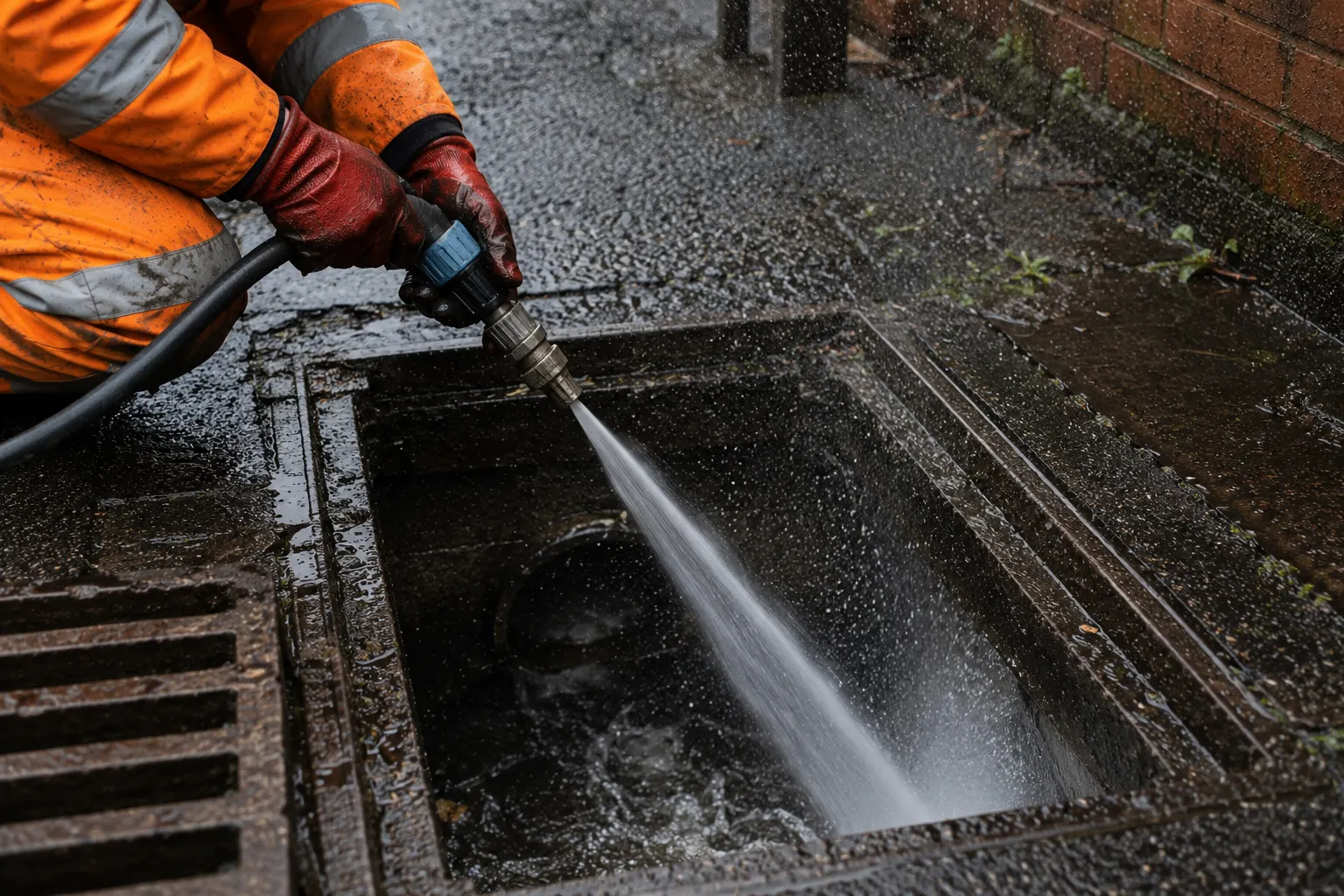
High-pressure water jetting can be used to clear suitable pipework and remove deposits from internal surfaces. The nozzle and pressure should be selected for the pipe material, condition, access and blockage. It is not appropriate to jet every trap or pipe without assessment, particularly where the system is damaged or its condition is unknown. If the drain has a history of recurring restrictions, CCTV inspection may help establish whether the cause is grease, a structural defect, poor gradients or another issue.
Planned preventative maintenance (PPM) is a schedule of inspections or cleaning visits agreed around a site’s operating needs. A useful schedule should be based on how the kitchen uses the equipment, previous build-up, the layout and the consequences of a blockage. Some sites may need more frequent attention than others. We do not apply a universal interval or claim that a generic schedule guarantees compliance; the operator should keep its own maintenance records and confirm any statutory or local requirements.
A maintenance visit can be arranged at a quieter time where access and availability allow. Site managers should tell us about induction procedures, protective equipment, loading restrictions, keys, alarms, water access and any sensitive areas. Clear planning helps reduce disruption and avoids surprises on arrival. After the job, ask for a record of the work completed, the condition observed and any follow-up recommended so the maintenance log reflects what actually happened.
Hospitality & Commercial Compliance
Restaurant owners, facilities managers and landlords need a clear record of drainage maintenance, especially where kitchen waste can affect the wider sewer network. Keep invoices, service notes, dates, observations and any waste paperwork provided for each visit. These records can help you understand whether deposits are accumulating more quickly, identify repeat problems and demonstrate the maintenance actions your business has taken. RCH Drainage can confirm which job records are included in the quoted scope before work is booked.
A drainage cleaning service is not a substitute for an environmental compliance audit or legal advice. Requirements can depend on the type of premises, local water company rules, the installed equipment and how the kitchen disposes of waste. Business operators should check their obligations directly with the relevant water company, local authority or competent adviser. If a particular form, transfer note or site procedure is needed, tell us in advance so we can confirm whether it can be provided for the work being quoted.
Good day-to-day practice also matters: avoid pouring cooking oil or liquid fats into sinks, scrape food waste into the correct containers, use strainers where suitable and make sure staff know which materials must not enter the drain. These steps do not replace cleaning, but they can help reduce the volume of solids entering the trap. If the kitchen still experiences repeated blockage after these controls, ask for a wider assessment of the connected drainage rather than repeatedly treating only the nearest sink.
Planning a Commercial Cleaning Visit
We can discuss work at restaurants, cafes, pubs, food production sites and other commercial premises across Northamptonshire, subject to equipment, access and the job scope. Call 01604 389 247 with the site postcode, the trap details and the symptoms. If you have a maintenance log or photos of the installation, those can help us understand the work before arranging a visit.
Before confirming, agree what equipment and pipework will be cleaned, who will provide access, the expected downtime, the waste handling arrangements and what paperwork will be supplied. A written quote should describe the work and exclusions. If an inspection finds a damaged trap or an issue beyond cleaning, we explain it and price any further work separately. This helps the business make a practical decision without assuming that every recurring drainage issue is solved by more frequent cleaning.
For multi-unit sites, identify which kitchen or tenant uses each trap and whether shared drainage serves other businesses. The person booking should have authority to arrange access and confirm the agreed scope. Tell the engineer about delivery schedules, vehicle height limits, loading bays, security check-in and any food safety procedures that affect access. These details are especially useful where a visit must fit between service periods or work around customers, staff and other contractors.
After a visit, record the date, equipment serviced, material observed, work performed and any condition that needs follow-up. Compare that record with previous visits to see whether deposits are returning quickly or a particular section continues to cause trouble. A recurring problem may point to a need for further diagnosis, a change in operating practice or attention to connected pipework. A written maintenance history gives the site manager better information for planning and makes it easier to request a specific scope at the next visit.
If the site has more than one trap, label them on a simple plan or list and note which kitchen area each one serves. This helps the maintenance team compare conditions from one visit to the next and identify whether one outlet is contributing more residue than others. It also helps avoid confusion when a contractor is asked to service a particular unit. Photos can be useful for access planning, but do not open a full or unsafe trap to take them; provide the information already available to your team instead.
Every visit has a fixed first-hour call-out fee with no hidden costs. Ask about a free initial check of whether the water company may be responsible. Depending on your postcode, that may involve Anglian Water, Severn Trent Water or Thames Water; the relevant company confirms formal ownership. For 24/7 drainage assistance, call 01604 389 247. Compare related work on our services page, or contact RCH Drainage with your postcode and any survey details. For local drainage information, see our pages for Northampton, Kettering, and Wellingborough. For more background, read Why does my drain keep blocking?.
Drainage work in Northamptonshire
Is it actually your problem? We check before you pay.
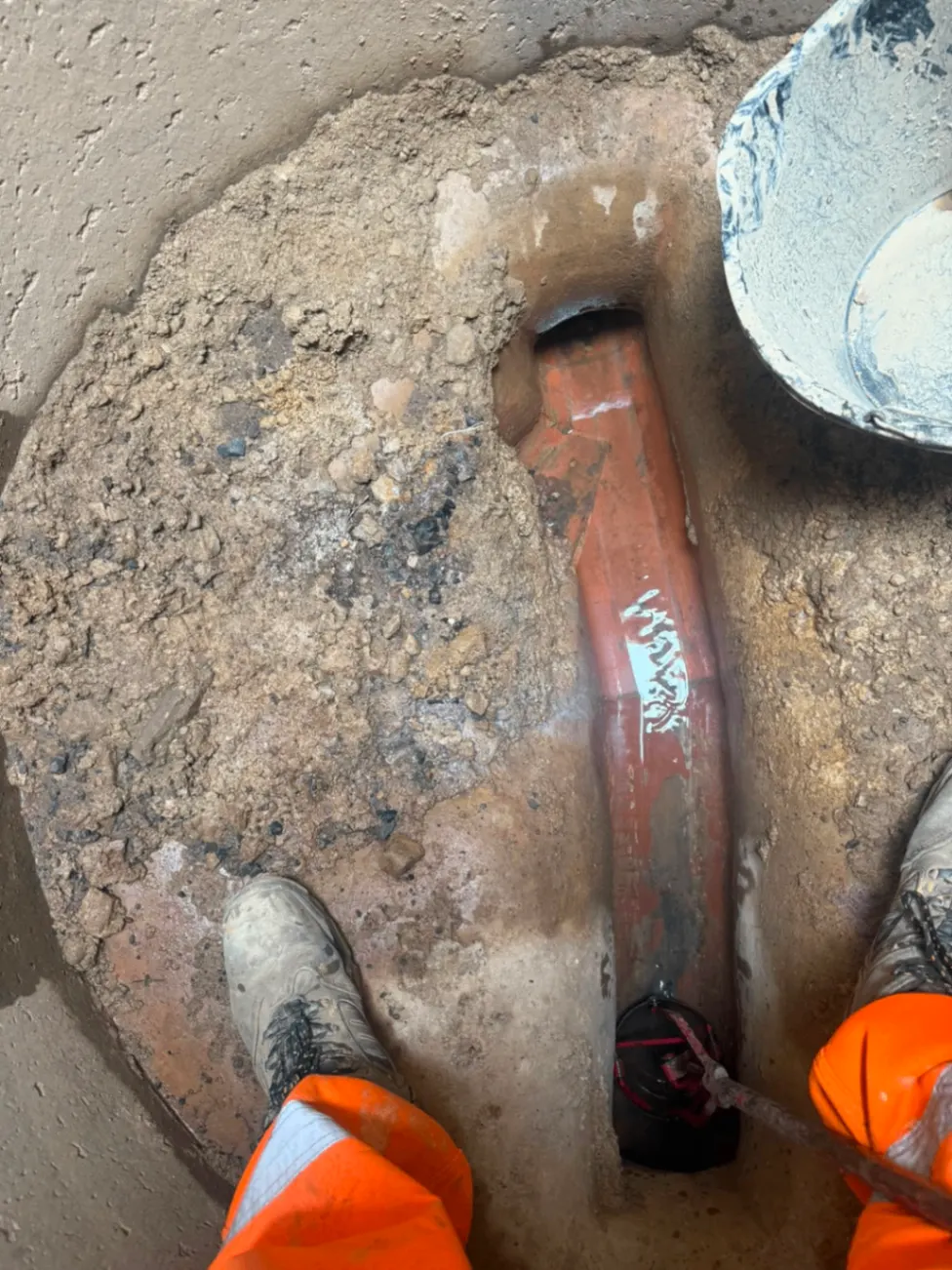
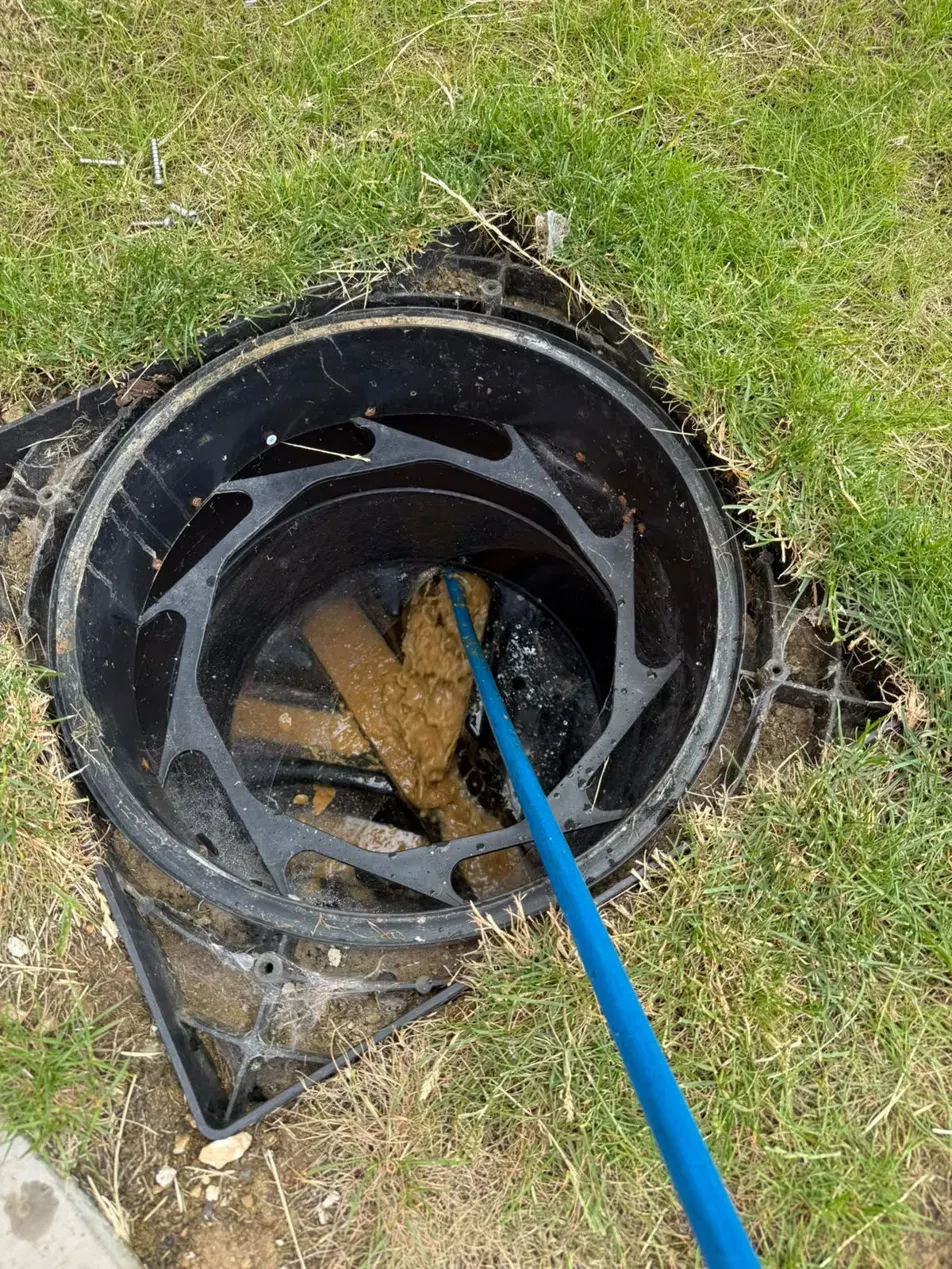
Ask us for a free initial check of whether the water company may be responsible. Depending on your postcode, that may involve Anglian Water, Severn Trent Water or Thames Water. The relevant company confirms formal ownership. If the issue appears to be its responsibility, we explain what we found before you authorise private repair work.
How the water authority check worksWhy RCH Drainage
24/7 response
Engineers on standby every day of the year.
Local engineers
Northamptonshire-based teams, not a national call centre.
Transparent pricing
Fixed call-out fee covering the first hour on site - no hidden costs, further work always quoted first.
Grease Trap FAQs
- How often should a commercial grease trap be cleaned?
- It depends on the equipment, kitchen volume, previous build-up and any applicable site requirements. Keep maintenance records and agree an interval based on observed conditions rather than assuming one schedule suits every business.
- Can jetting clear a grease-related blockage?
- Jetting may be suitable for accessible pipework after the condition is assessed. A damaged or unsuitable pipe needs a different approach, so recurring problems may need CCTV inspection first.
- Do you provide compliance certificates?
- Tell us what records your site requires before booking. We can confirm which job notes or waste documents are included in the agreed scope; a cleaning visit is not a general compliance audit.
- Can cleaning be arranged outside kitchen service hours?
- We can discuss timing around your operating hours. Availability depends on the site, access and current schedule, so include your preferred window when requesting a quote.
Need grease trap cleaning now?
Speak to a local engineer or request a callback - we'll get back to you fast.